

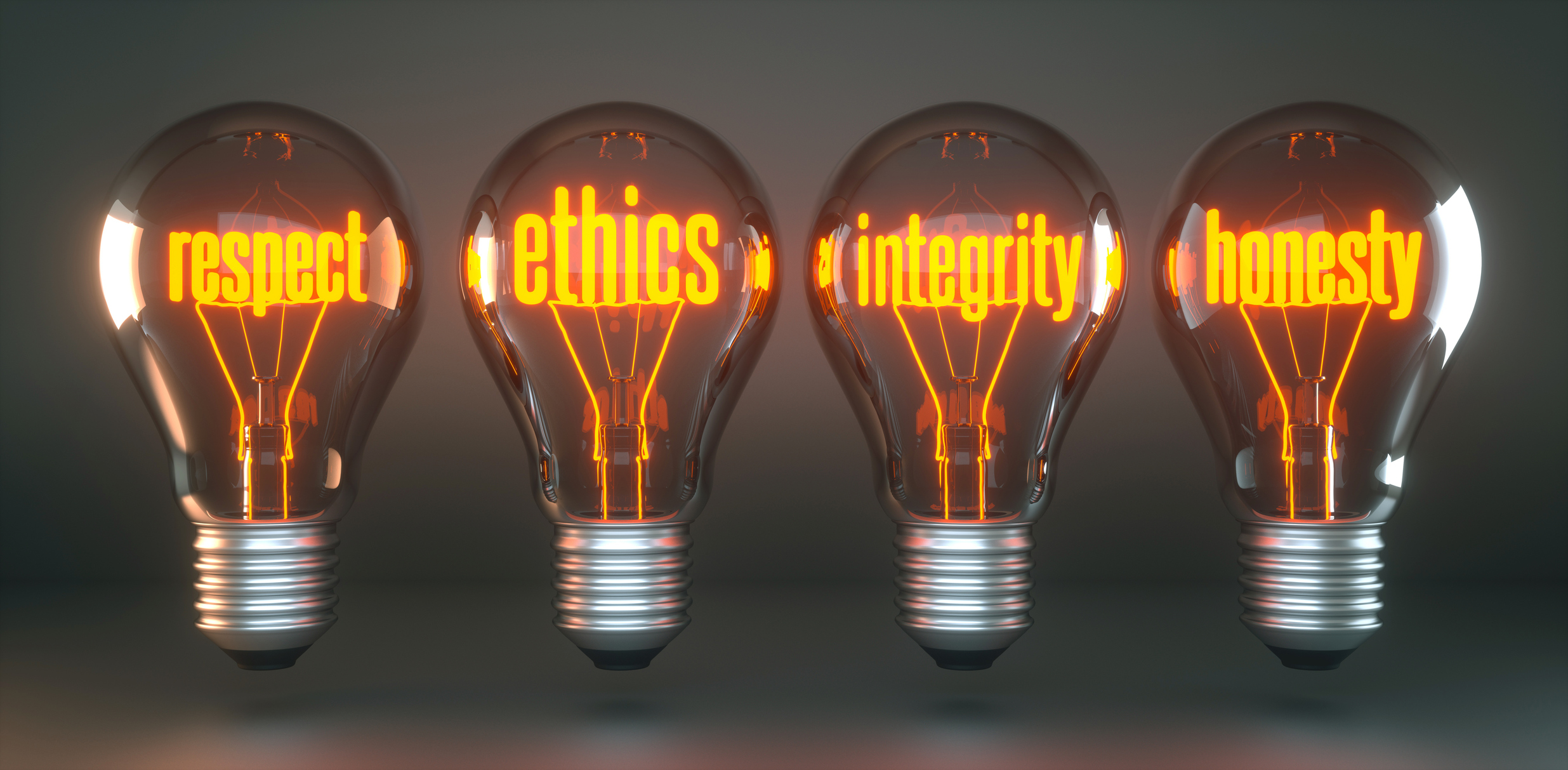
In today’s digital world, blogging is a popular way for people and businesses to share ideas, experiences, and information. A strong blogging code of ethics helps bloggers use that freedom responsibly while building trust with their readers.
In this post, I will explore five key areas of ethics in blogging:
- Plagiarism
- Disclosure of affiliate links
- Disclosure of sponsored content
- Respecting privacy
- Handling negative comments and feedback
Plagiarism
Plagiarism is using someone else’s work without giving them due credit. Copying someone else’s work is not only unethical but also illegal. As a blogger, it’s crucial to respect the intellectual property of others. If you use someone else’s work, always give credit where it’s due. Use quotation marks for direct quotes and provide a link back to the original source. There are also tools available online to check for plagiarism in your content.
Disclosure of Affiliate Links
Affiliate links are a common way for bloggers to earn a little extra cash. These links involve promoting a product or service and making a commission for sales through your referral link. However, it’s important to disclose these links to your readers. Not only is this a requirement by the Federal Trade Commission (FTC), but it also builds trust with your audience. Be transparent about your affiliations and let your readers know that you may earn a commission if they make a purchase through your link.
Disclosure of Sponsored Content
Like affiliate links, sponsored content should be clearly disclosed if you’re paid to promote a product or service on your blog. Sponsored content should be identified as such, and it should be clear to your readers that you’ve been compensated for the post. This transparency helps maintain your credibility and trustworthiness as a blogger.
Respecting Privacy
Respecting the Privacy of your readers and those you write about is another crucial aspect of ethical blogging. This includes not sharing personal information without consent and being mindful of the information you do share. If you’re writing about sensitive topics, ensure you do so respectfully.
Handling Negative Comments and Feedback
Finally, handling negative comments and feedback can be a challenging aspect of blogging. However, it’s essential to approach these situations with professionalism and respect. Respond to criticism constructively and use it as an opportunity to improve. Avoid engaging in online arguments, and remember everyone is entitled to their opinion.
Final Thoughts
A strong blogging code of ethics is not about making blogging complicated. It is about being honest, respectful, and clear with the people who read your work.
Avoid plagiarism. Disclose affiliate links and sponsored content. Respect people’s privacy. Handle criticism without losing your professionalism.
These may seem like small decisions, but together they help readers trust you and the content you publish. That trust is worth protecting.
A quick note: I am not a lawyer, nor do I play one on TV. This post is based on general blogging principles and my own experience. For questions about copyright, privacy, disclosures, or other legal requirements, consult a qualified professional.
I Hope You Enjoyed This Post.
I hope this post gave you a clearer understanding of the responsibility that comes with publishing content online.
A strong blogging code of ethics is only one part of building a trustworthy website. You may also find these posts helpful:
- How to Write Blog Headlines That Gets Clicks
- How to Create Engaging Content That Readers Actually Want to Read
- How to Rank Your Blog on Google: What Actually Works
Each one can help you create stronger content while continuing to build trust with your readers.

About the Author: Dan Swords
Dan Swords is a writer, blogger, and content creator with more than 35 years of professional technical writing experience and over 13 years creating content for the web. Through danswords.com, he shares practical advice to help aspiring bloggers and creators get their ideas online. His focus is simple: helping people start and grow a blog with clear writing, engaging content, and practical strategies that actually work.